
The Importance Of Sperm Dna Damage In Failed Ivf Attempts
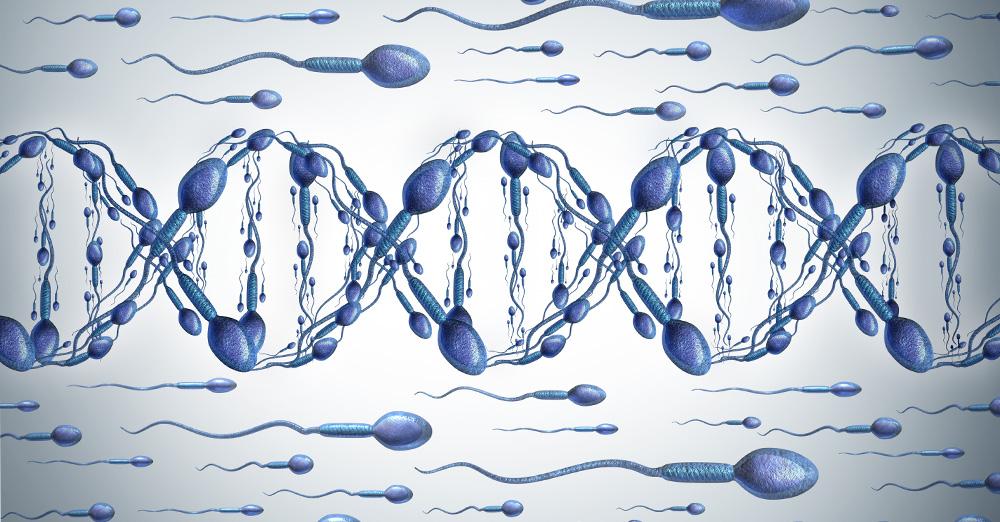
The rate of DNA damage in sperm from the ejaculate provided on the oocyte retrieval (OPU) day is crucial in microinjection attempts. Even if the number and quality of oocytes are good, and the sperm count, motility, and morphology are adequate, microinjection can still fail. In such cases, it is essential to evaluate sperm DNA damage.
The evaluation of sperm count, motility, and morphology in a standard sperm test (spermiogram) does not indicate sperm DNA damage.
It is known that as the rate of DNA-damaged sperm increases, the chances of natural conception decrease. Studies have shown that fertilization rates in microinjections using sperm with high DNA damage rates are 20% lower.
In cases where the embryo fertilization rate is below 20%, 75% of the sperm contain advanced DNA fragmentation, while the number of cases with damaged sperm decreases as the fertilization rate increases. The most striking aspect here is that even when normal morphology sperm are selected during microinjection, the embryo fertilization rates remain low.
Systemic infections, infections and inflammatory reactions in the testicular region, hormonal factors, toxins, smoking, and oxidants have been shown in the literature to increase the rate of sperm DNA damage by causing abnormalities in sperm structure.
If the sperm DNA damage rate is high, the development of embryos that may arise from them can also be impaired. The chance of embryos reaching the blastocyst stage decreases, miscarriages increase, and anomalies in the embryo may develop. In fact, during fertilization, when the sperm enters the egg, the enzymes present in the egg can repair damaged DNA. The repair mechanism works better in younger eggs. Therefore, the younger the woman is, even if the rate of sperm with damaged DNA is high, the chances of achieving a healthy pregnancy and birth increase. As the proportion of damaged sperm increases, the repair mechanism may become insufficient, leading to problems.
Normal values for sperm DNA damage tests are indicated by the DNA fragmentation index (DFI). It is calculated by looking at the ratio of sperm cells carrying damaged DNA among the evaluated sperm cells. If DFO-DFI is greater than 30%, it indicates high-grade sperm DNA damage; if the DFO-DFI ratio is between 15-30%, it can be considered moderate damage. When the DFO-DFI ratio is below 15%, it is considered to have sufficient healthy sperm. There are also centers and literature that use these ratios as 10-20-30.
The principles for treating sperm DNA damage include: treating infections, removing leukocytes with anti-inflammatory measures, antioxidants, hormonal stimulation, treating varicocele, healthy lifestyle and nutrition, and weight loss.
Literature results related to sperm DNA damage include:
- The risk of miscarriage may increase as sperm DNA damage increases.
- In couples undergoing IVF, if the male’s sperm DNA damage rate is high, live birth rates significantly decrease.
- As sperm DNA damage increases, embryo quality deteriorates and the chances of pregnancy decrease.
- Sperm with head and tail abnormalities have an increased rate of DNA damage. The use of these sperm in IVF also reduces success.
- It is important to perform a sperm DNA damage test before insemination or IVF. This importance increases especially in cases of pregnancy loss.
- Analyzing sperm DNA damage is a useful technique in investigating the male’s role in infertile couples and predicting IVF success.
- In men with normal sperm values, if IVF is unsuccessful or has low success, evaluating sperm for DNA damage yields beneficial results, as the rate of sperm DNA damage has significantly increased in such men.
- Before IVF, the male’s sperm should be examined for DNA damage. DNA damage in couples with infertility increases the chances of success in IVF.
- As sperm analysis deteriorates, the number of sperm cells containing damaged DNA also increases.
- In infertile couples without children, when the male’s sperm is analyzed for DNA damage, it is observed that the rate of damaged sperm has increased in a large portion. In such cases, conducting a sperm DNA damage analysis would be appropriate.
- The rate of DNA damage in sperm with motility issues significantly increases; in other words, as sperm motility decreases, the rate of sperm DNA damage also increases. The conclusion from all this is that the rate of DNA-damaged sperm in the ejaculate is directly related to fertilization, i.e., the fertilization of the embryo and the development of the embryo.