
Polycystic ovary syndrome (pcos) and infertility
Polycystic Ovary Syndrome (PCOS) is characterized by a ‘polycystic’ appearance of the ovaries, hormonal imbalances, and clinical manifestations such as irregular menstruation, increased hair growth, male-pattern hair loss, and skin issues like oiliness and acne. Patients diagnosed with PCOS are often told they have ‘cysts’ or that their ovaries are ‘lazy,’ which is not an accurate way to inform them.
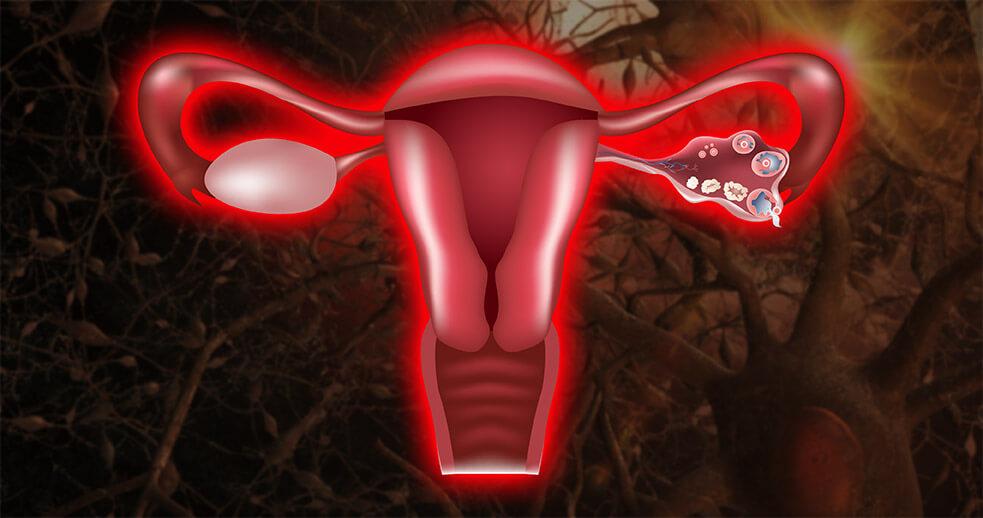
The polycystic appearance consists of enlarged ovaries filled with numerous small egg sacs (follicles) arranged like beads near the outer edge of the ovary. Not every woman with this appearance necessarily has the ‘syndrome.’
The underlying issue that triggers this condition in women is significantly related to sugar metabolism. Insulin resistance is frequently observed. Naturally, women with PCOS benefit greatly from achieving an ideal weight, following a proper diet, and exercising. It is essential to remember that this condition also affects overall health.
Among its various effects, the primary impact that complicates pregnancy is the lack of regular ovulation. Due to irregular ovulation, women with PCOS either have very infrequent periods or do not menstruate at all unless they are on medication.
What should be done?
First and foremost, a general evaluation of the couple should be conducted. The health of the uterus and fallopian tubes should be assessed, along with the man’s sperm condition. Additionally, necessary tests for insulin resistance should be included in the examination.
If the couple is young and has not undergone any treatment attempts, and if there are no issues with sperm analysis, uterus, or tubes, the first step should be to use medications for insulin resistance in women with irregular periods, along with starting a diet and exercise program. As a result, a significant portion of women will begin to have regular periods, and it may be possible to wait for a while for natural conception at this stage.
If regular periods have not started despite all these preparations, treatments involving egg maturation and ‘trigger shots’ can be tried. Insemination treatments are the next option, where egg maturation treatment is performed followed by a trigger shot. After a certain time post-injection, the male provides sperm, which is prepared in the laboratory and injected into the uterus.
IVF Treatment for Women with PCOS
In cases where IVF is necessary, if required, the previously mentioned preparations should be made before starting treatment. Women with PCOS tend to produce a large number of eggs during the IVF process. Therefore, the hormones and dosages used must be carefully selected, and the treatment should be closely monitored. On the other hand, sometimes we encounter resistant PCOS that does not respond to treatment. In this case, patience should be exercised before increasing medication doses, and if necessary, the treatment should be paused to plan a protocol change for the future.
OHSS (Ovarian Hyperstimulation Syndrome)
Women with PCOS are prone to excessive egg production and subsequently experiencing OHSS. Mild forms of the syndrome do not cause serious discomfort. However, in moderate to severe forms, the ovaries enlarge significantly, fluid accumulates in the abdominal cavity and lungs, and the body’s fluid-electrolyte balance may be disrupted. This condition may require hospitalization and can reach life-threatening levels.
The primary way to prevent OHSS is to conduct egg development treatment in a controlled manner. The risk of OHSS is lower in short protocols compared to long ones. Although taking drug-free days (coasting) during treatment may reduce pregnancy rates, it can be done, but it is rarely practiced today. The choice of ‘trigger shot’ is also important, and it is known that a group of maturation injections significantly reduces the risk of OHSS compared to classical injections.
Not transferring and freezing embryos formed after egg retrieval is also an important strategy for prevention. This not only prevents the condition of a potential pregnancy from worsening but also allows for many treatments to be performed to prevent OHSS.
In summary, due to modern treatments and increased physician experience, severe forms of OHSS are rarely encountered today.