
Negative results in ivf and what comes next
Receiving negative results in IVF attempts can lead to significant emotional strain and a decrease in hope for couples. It is important to remember that IVF treatments do not guarantee success, and sometimes multiple attempts are necessary to achieve a healthy pregnancy. After a negative result, many couples have the opportunity for a new chance. However, there are usually examinations that need to be conducted before embarking on a new treatment. Different approaches may also be necessary when creating a new treatment plan.
What examinations could be beneficial?
If there are concerns regarding the uterine cavity or tubes, performing a hysterosalpingography (HSG) or, if deemed necessary, a hysteroscopy to examine the inside of the uterus is important. Contrary to popular belief, unhealthy tubes can negatively affect the success of IVF. Especially in cases where there are fluid-filled enlargements in the tubes, laparoscopic surgery may be required to cut the connection between the tube and the uterus. In hysteroscopy, we can address issues in the uterine cavity that could prevent pregnancy, such as septums, polyps, fibroids, or adhesions.
Another potential issue could be undiagnosed conditions in women, such as diabetes or thyroid disorders. It is important to investigate these problems and seek support from endocrinology specialists if necessary.
If there are issues with the number or structure of chromosomes in either the woman or the man, this can lead to a high rate of abnormal sperm and egg production. This situation means a reduced chance of success for the treatment. However, when we know about the couple’s chromosomal issues, we can determine the chromosomal structures of the obtained embryos and select healthy embryos for transfer to the uterus.
Genetic predisposition to excessive blood clotting or an overactive immune system in the woman can also be factors that may hinder conception or continuation of pregnancy. These should also be included in the investigation.
In recent years, tests that indicate when the uterus is ready for embryo implantation have been implemented and can be guiding. If pregnancy has not been achieved despite transferring high-quality embryos multiple times, tests like ERA can be beneficial.
There are also advanced examinations that can be performed on men. Thanks to modern tests, we can analyze the maturation rate of sperm, the level of DNA damage, and the rate of abnormalities in sperm chromosomes, allowing us to formulate strategies accordingly. Additionally, we can measure the antioxidant capacity of the sperm sample and provide treatment if issues are found.
What approach should be taken?
There are methods known to increase pregnancy rates in couples with previous IVF failures that are frequently used. One of these is the transfer of day 5 embryos (blastocysts). In suitable couples, growing embryos in the lab until day 5 and transferring selected embryos to the uterus has been shown to increase pregnancy rates compared to transfers done on earlier days.
Another option is to freeze embryos after they have formed and transfer them in a later menstrual cycle by preparing the uterus (elective frozen embryo transfer).
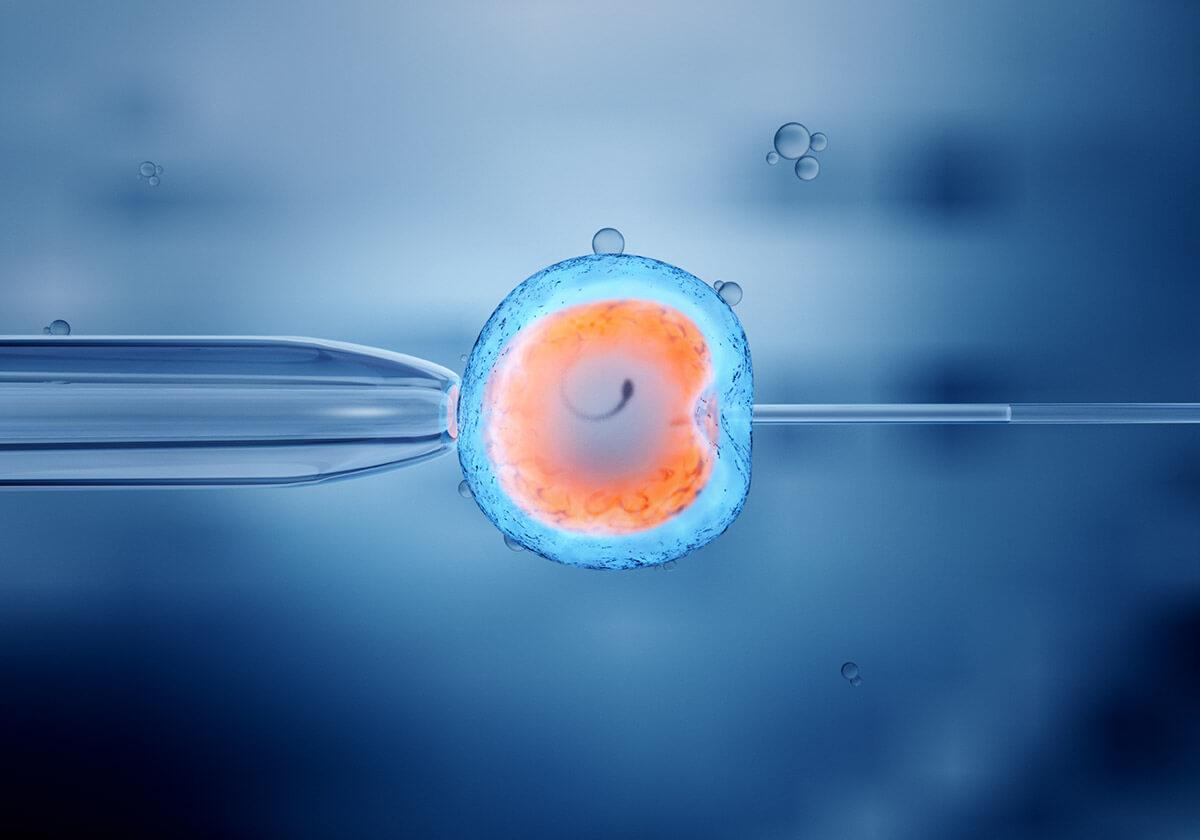
Another method is to perform chromosomal analysis on embryos (Preimplantation Genetic Screening, PGS). Couples who may benefit from this are not only those with identified chromosomal issues in the male or female. Even if the couple’s chromosomes are normal, there is a possibility that some of the formed embryos—often a majority—may have abnormal chromosomal structures. These couples can also benefit from this method when deemed appropriate. PGS is a technique we frequently prefer and that yields successful results, especially in couples with repeated IVF failures or recurrent early pregnancy losses (miscarriages). In cases where very high-quality embryos are transferred but pregnancy does not occur, or in suitable couples where the woman is 39 years or older, using this method can increase the chances of pregnancy per embryo transfer. For PGS, a biopsy is performed on the embryos under a microscope to obtain cells, and when done with the appropriate technique, the embryo does not suffer damage. The genetic methods applied to the obtained cells have also seen significant advancements in recent years, and we now use screening methods like aCGH and NGS that reliably screen all chromosomes.
In recent years, we have been able to dynamically monitor embryo development. This allows us to see the ‘film’ of the embryo’s development and gain valuable information, while also ensuring that the embryo remains in suitable conditions for monitoring.
We know that in some women, the cause of infertility is the immune system’s response to the embryo, and we are conducting studies in this area. Serums and medications that regulate the immune system are being used for this purpose.
To address identified sperm issues in men, antioxidant therapies can be beneficial. Methods like sperm chips may be necessary to obtain and select sperm with less DNA damage, or using sperm obtained from the testes may be required.
In conclusion, it is important to remember that IVF treatment should be tailored to each couple. A method that has been successfully applied to many couples may not be suitable for you. Furthermore, there is not always a single correct approach in this process; it is not a mathematical field, as is the case in all branches of medicine. Additionally, no matter how advanced technology becomes, the responsibility for creating and implementing the treatment plan will remain with us, the physicians. For this, we will always need knowledge, experience, and quick thinking.