
In vitro fertilization and the immune system
The human body has its own natural defense system against attacks from diseases. Pregnancy is a unique situation where the baby attaches to the uterus. Due to the different genetic characteristics of the mother during pregnancy, the baby is recognized by the immune system as “not me” or “foreign.” The mother’s immune system must be aware of this and ‘accept’ this invasion for the pregnancy to continue until birth. Therefore, the interaction between in vitro fertilization and the immune system is also crucial for welcoming a healthy baby.
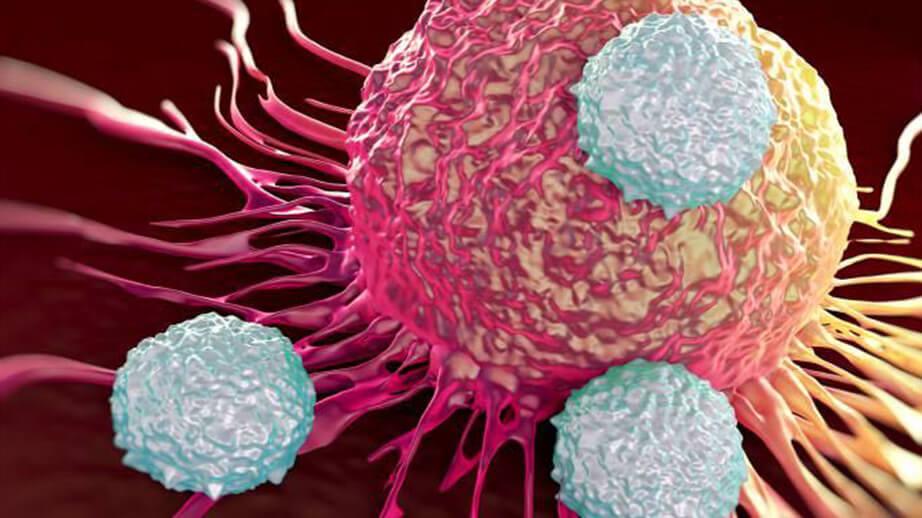
Immune cells known as natural killer cells are known to eliminate foreign substances and cancer cells.
Natural killer cells in the blood are cells that play a vital role in the immune system. They are lymphocytes (white blood cells) produced in the bone marrow, spleen, and other parts of the body before entering the bloodstream. The purpose of these cells is to recognize and target cells that do not belong to the body; tumors, viruses, and bacteria.
Natural killer cells play an important role in pregnancy and make up 90% of the immune cells in the uterus. Women with fertility problems, recurrent miscarriages, or repeated IVF failures may experience issues related to natural killer cells. If there is high activity of natural killer cells in the mother’s body and uterus, this affects the baby’s attachment to the uterus and makes it difficult for the attachment to occur, ultimately leading to miscarriage. Natural killer cells lead to miscarriage and infertility. Preventing and treating this issue can also enhance fertility. Clinics offering treatment for high natural killer cells often provide this service alongside IVF and other assisted reproductive technologies.
One of the most common causes of immune-related issues in IVF is the inability of the baby to attach to the uterus. In this case, abnormalities in the candidate mother’s immune system damage successful implantation.
The levels of natural killer cells are not the same as those exposed to cancer or an autoimmune disease. Women with high natural killer cells produce many immune factors that attack the embryo and prevent implantation.
If aggressive natural killer activity is high, the embryo cannot attach, early pregnancies may result in miscarriage, and complications for the mother or baby may arise later. Special tests can identify couples at risk of these issues. Treatment that stimulates the appropriate immune response in the mother (immunomodulation) can increase the chances of achieving a successful pregnancy and delivery.
How is it tested?
There are two types of natural killer cells.
1. Natural Killer Cells in the Blood (peripheral natural killer cells).
- Natural Killer Cells are found in the lining of the uterus and are called uterine natural killer cells. This can be detected by taking a sample from the uterine lining and sending it to a pathology laboratory for analysis.
In the NATURAL KILLER diagnostic panel, the number of natural killer cells in the peripheral blood is measured alongside the NATURAL KILLER cells in the uterus obtained from a biopsy.
Typically, measurements of natural killer cells are taken from counts of blood cells in the peripheral circulation via a venous blood sample. If tests are conducted on the uterine lining through biopsy, there is no standardized method for the test. Natural killer cell counts vary depending on the time in the menstrual cycle and the epithelial layer being tested. Studies show that the percentage of cells in the peripheral blood of normal healthy women is above 12%, which is considered ‘elevated’ and requires monitoring and treatment.
Additionally, biological indicators of natural killer cells, which play a vital role in infertility, recurrent miscarriages, and failed IVFs, can be measured with the TH1 TH2 panel. This condition negatively affects the baby’s attachment in every candidate mother with biological indicators outside the normal range.
Treatment options
Since the 1950s, it has been known that natural killer cells can play a role in pregnancy. In the 1960s, it was discovered that cells with similar characteristics to natural killer cells in the endometrium, particularly found in the membrane between the mother and baby, can perceive the embryo as foreign and initiate a severe attack that can result in miscarriage. At this stage, clinicians often recommend steroid treatments, intralipids, or intravenous immunoglobulin. Women with recurrent miscarriages or IVF failures and high natural killer activity should be treated. Recommended treatments include immunosuppressive drugs such as steroids. Each case should be reviewed individually, and an appropriate treatment plan should be prepared, including risks and side effects. Possible treatments include steroids and intravenous Intralipid infusion. Intravenous immunoglobulin can be used in women with soy allergies. Some medications may have potentially serious adverse reactions. Care should be taken with treatments conducted under strict supervision. Consent from couples is required for these treatments.
 The main complications arising from long-term steroid treatment include fluid and electrolyte disturbances, hyperglycemia (high blood sugar levels), glucosuria (abnormal amounts of glucose in urine), increased susceptibility to infection, peptic ulcers, osteoporosis, behavioral disorders, e.g., irritability, insomnia, mood changes, cataracts, and striae (skin stretch marks). Complaints return to normal with the cessation of steroids. Side effects can be prevented with the right treatment plan, e.g., nutrition, lifestyle, and some medical supports. Potassium supplementation, dietary salt restriction, and regular blood pressure monitoring are recommended. However, moderate doses are used in treatment. The placenta (the baby’s organ) does not transfer the medication to the fetus (the baby).
Intravenous Intralipid Infusion Therapy
Intralipid is an emulsion of soybean oil, egg phospholipids, and glycerin. Data from both animal and human studies suggest that intravenous Intralipid administration may increase embryo implantation. Intralipid reduces “danger signals” that could lead to pregnancy loss by stimulating the immune system. Moreover, recent evidence has confirmed that Intralipid increases implantation by reducing natural killer cytotoxicity and provides sufficient time for the continuation of pregnancy. Clinical studies where Intralipid therapy was applied have shown improved pregnancy and live birth rates in women with high natural killer activity and TH1/TH2 abnormalities in cases of recurrent embryo implantation failures and recurrent miscarriages.
Studies comparing IVIg and Intralipid have confirmed that all suppress natural killer cell cytotoxicity with equal effectiveness. However, Intralipid has the advantage of not being a blood product compared to IVIg.
The Nature and Duration of the Procedure
The treatment is administered intravenously, and dosage and infusion protocols are determined based on laboratory tests and clinical responses. The treatment is usually performed while trying to achieve pregnancy and during pregnancy. The procedure lasts at least two hours. The treatment process is followed intermittently based on test results until delivery. Patients with allergies to eggs or soybean oil should indicate this.
Side effects are rare and may include fever and chills, nausea, vomiting (less than 1%). Other adverse effects are extremely rare, occurring in 1 in 1 million infusions. Hypersensitivity reactions (anaphylaxis, skin rash, and urticaria), respiratory symptoms (rapid breathing), circulatory effects (high or low blood pressure), abdominal pain, headache, and fatigue. The safety profile of Intralipid therapy is considered extremely good.
Throughout the process leading up to delivery, preeclampsia (PE) is classically defined as a Th1/Th2 imbalance. High blood pressure during pregnancy, edema, and excess protein in urine should be monitored through immune tests throughout pregnancy and evaluated with immune therapy test results at specific intervals until delivery.
The relationship between in vitro fertilization and the immune system has been a particularly emphasized topic in recent years. Although there is still no consensus or conclusive evidence on which patients this situation leads to failure or miscarriage, some ‘difficult’ couples can have babies as a result of these treatments.
Wishing all expectant mothers to hold their babies in health.
Prepared by Dr. Murat Berksoy.